Introduction
Corojo, or “El Corojo,” as it was affectionately referred to in Cuba, is a pivotal part of tobacco history in the 20th century. From its creation in the 1930s to its death and rebirth in the new millennium, the story of Corojo is steeped in tradition, flavor, and fairytale.
Corojo’s Origins in Cuba
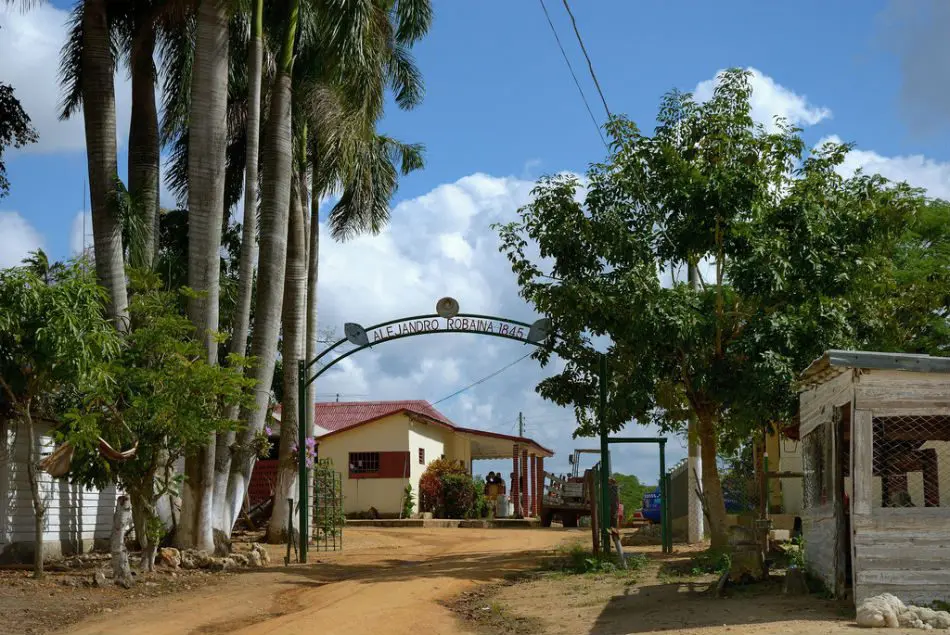
Tobacco has been growing natively in Cuba since the beginning of recorded history. The indigenous tobacco, Criollo (Spanish for “Native”), was known for its medium-spice, earthy, and cocoa-like characteristics. Criollo was used in all aspects of cigar rolling, as it was suitable as wrapper, binder, and filler. In the 1930s, Diego Rodriguez began selectively breeding Criollo to develop a superior cigar wrapper leaf. After countless attempts and a massive effort by Diego and his son Daniel, they had succeeded. They named the prized plant Corojo after their family farm, Santa Ines del Corojo.

Corojo’s Historical Impact
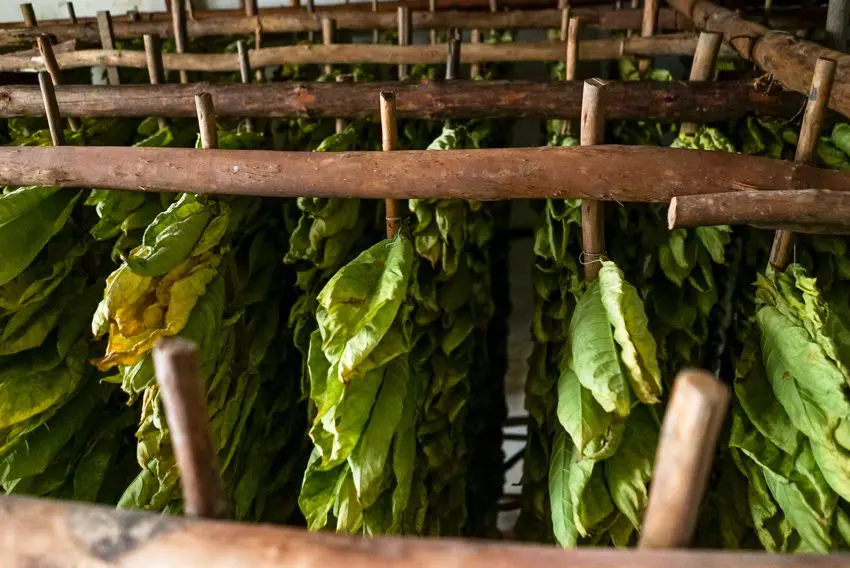
Corojo was an overnight success. The Rodriguez family’s effort had yielded a strain of tobacco with dark, rosado leaves, small veins, a uniform texture, and a unique, sweet, and spicy flavor. Virtually all Cuban puros from the 1930s to the 1990s included a Corojo wrapper. The taste and aroma of El Corojo had become synonymous with Cuban tobacco. Following the Cuban Revolution and the subsequent nationalization of the tobacco industry, most growers and their families fled, seeking a fresh start.
Corojo Outside of Cuba
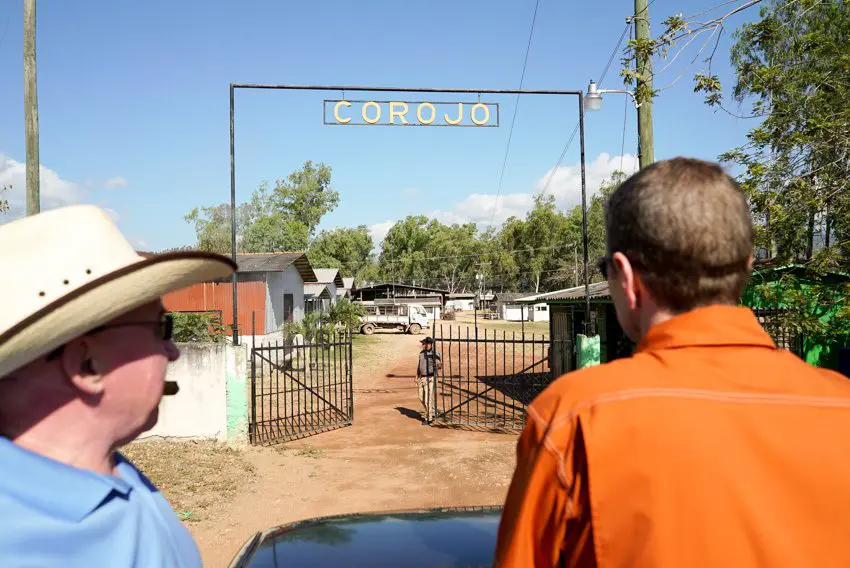
There are dozens of different stories of Corojo’s proliferation outside of Cuba. Farmers’ daughters smuggling seeds under their dresses, pocketfuls of seeds running away at night, stashes in books and bags. The people who had shaped their lives around tobacco weren’t going to leave their homeland without their precious Corojo. Eventually, Corojo was successfully grown in Nicaragua, Ecuador, the Dominican Republic, and Honduras. The Jamastran Valley in Honduras has become one of the best modern growing regions for Corojo. The Eiroa family has been growing unhybridized Corojo in the Jamastran Valley since the 90s, and thanks to their efforts, we have a taste of Cuban tobacco’s golden age.
The Death of “El Corojo”
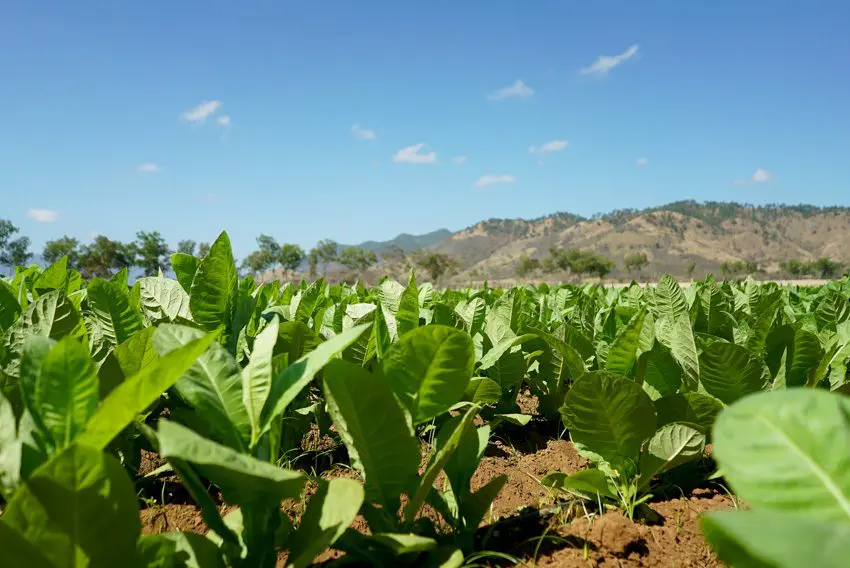
While the details have been lost to time, it is believed that between 1996 and 1998, Cuban growers retired “El Corojo”. Despite all its endearing qualities, Corojo suffered from a susceptibility to diseases such as blue mold and black shank, which had begun spreading across Cuba. These diseases could jeopardize an entire crop yield, and the risk was just too high for the Cuban state-run agriculture. At some point between the late 1980s and early 1990s, the Cuban government began developing new disease-resistant hybrids of the original Corojo. Crossbreeding Criollo and other Cuban tobacco varieties with the original Corojo resulted in successful hybrids such as Criollo ’98, Corojo ’99, and most notably, Habano 2000 (these varietals are named for the year of their creation). These hybrids, along with more modern varietals like Corojo 2012, comprise the modern Cuban cigar. Like the original Corojo, these hybrids found their way to the growing regions in Nicaragua, Ecuador, the Dominican Republic, and Honduras.
Corojo Today
Corojo remains a massive part of the modern tobacco portfolio and has made its way into some of my favorite blends. The aforementioned Eiroa family continues to cultivate unhybridized Corojo in Honduras for blends like their Vintage Series. Aganorsa Leaf grows Criollo ’98, Corojo ’99, and Corojo 2012 in Nicaragua for their Aniversario. Eladio Diaz blends cigars with Corojo from the Dominican Republic and Ecuador for his Aniversario series. Illusione blends Nicaraguan Corojo and Criollo for their Epernay. While “El Corojo” may have died out in Cuba decades ago, modern Corojo and its hybrids continue to thrive both in Cuba and the rest of the world.