Introduction
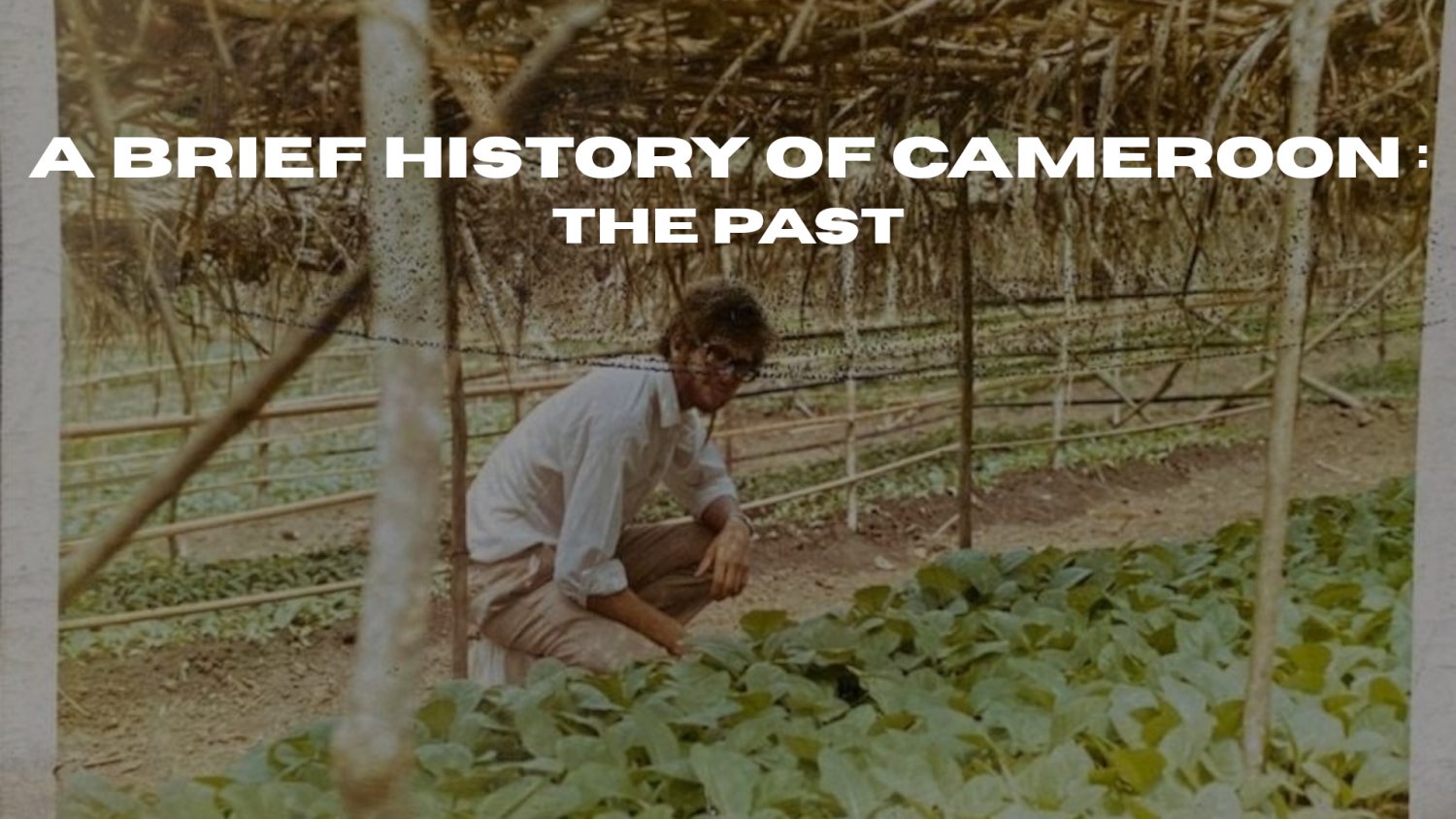
African Cameroon tobacco doesn’t come easy. It’s born in the heart of the jungle, and ends up in humidors all over the world. The growth and cultivation of this tobacco is a labor of love and is held up to an impossible standard. You’ll find authentic African Cameroon in some of the world’s most sought-after cigars: Arturo Fuente’s Don Carlos, the Casa Fuente blends, and Meerapfel’s ultra-premium lineup. From its early colonial history to its near-extinction in the 1990s, Cameroon’s story is one of persistence, passion, and dedication.
Colonial Roots & French Monopoly
The history begins in the early 20th century. The Germans first introduced tobacco during their colonial control (1884-1916). Dutch traders later brought Indonesian-grown Sumatra seeds to Cameroon in the early 1900s, though the exact details of their involvement are unclear. After Germany’s loss in World War I, the former colony fell under French mandate.
In the late 1950s, the French government tasked tobacco expert Jean Masseron with establishing the cultivation techniques necessary to produce world-class wrapper-grade leaf. While Masseron succeeded, the industry was overshadowed by SEITA (Société d’exploitation industrielle des tabacs et des allumettes), the French tobacco monopoly. SEITA’s rigid bureaucracy, aggressive pricing, and complex bidding processes alienated international buyers. By 1993, declining quality and weak demand forced SEITA to halt exports entirely. This would have left thousands of farmers out of a job and without many other options to earn a living.
The Meerapfels
With SEITA’s exit, the future of Cameroon tobacco and the local farmers was in jeopardy. The Meerapfel family, long-time buyers of Cameroon Tobacco, foresaw the impending collapse. Richard Meerapfel formed CETAC (Compagnie d’Exploitation des Tabacs Centrafricains) in the early 1990s to save the industry. He negotiated a deal with SEITA to buy them out and cleared the path to Cameroon’s continuation.
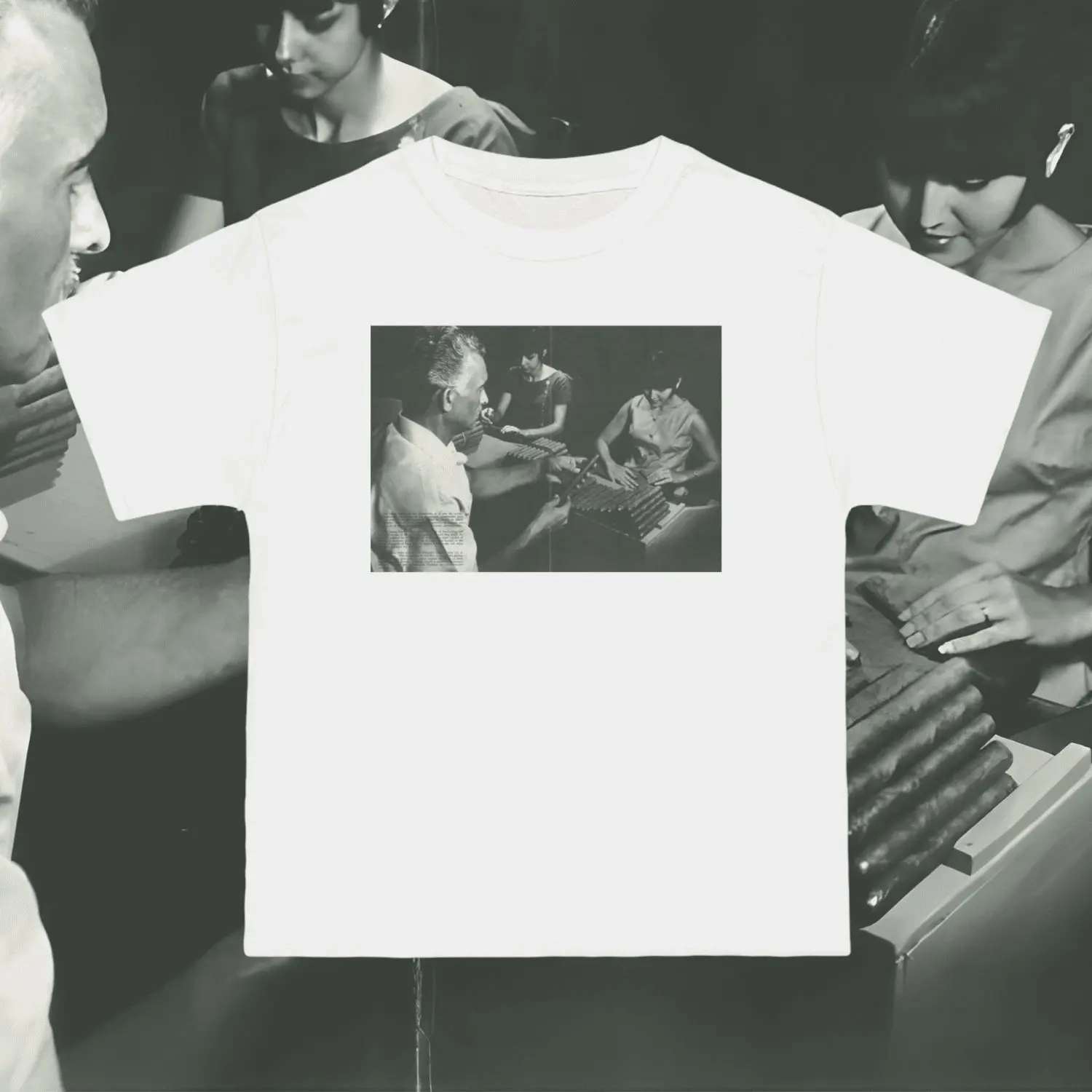
Richard provided farmers with stable, lucrative contracts, advanced logistical support, and high-quality tobacco seeds. He knew that the people were just as important as the product. CETAC would eventually work with some 3,000 farmers, most of whom own just one or two acres, with cultivation and harvesting done almost entirely by hand and almost entirely by women. Richard’s commitment to these farming families went beyond tobacco. It was about “helping Africans help themselves,” offering workers fair pay and humane conditions so they wouldn’t be forced into the dangerous alternative of working in gold or diamond mines.
Tragically, Richard passed away in 2003 at the age of 52. But the work didn’t die with him. His sons, Jeremiah and Joshua, stepped in. They maintain CETAC’s commitment to both the leaf and the people of Cameroon. Richard’s vision for Cameroon was a success, and the cigar industry may have looked very different without his intervention.
The Fuentes
The Fuente family is inextricably linked to Cameroon tobacco’s survival and success. The relationship began with the fan-favorite Hemingway cigars. The Hemingway series, introduced in the early 1980s, played a major role in reviving the American appetite for Cameroon tobacco. Its massive success proved that an African Cameroon wrapper could carry a premium brand.
Perhaps the most iconic example of the Fuente’s influence is Carlos Fuente Sr.’s Don Carlos. The Don Carlos has been the gold standard of Cameroon blends for the past 30 years, and is affectionately referred to as the pride of the Fuente family. The line includes The 80th Anniversary: Personal Reserve, Eye of the Shark, Eye of the Bull, and The Man, all of which proudly feature African Cameroon. The highly sought-after Casa Fuente cigars were also a tweak on the legendary Don Carlos blend. The Don Carlos’s impact on the entire cigar landscape is massive, and it is undoubtedly the poster child for Cameroon blends.
The partnership even extended to other brands. Carlito Fuente’s collaboration with Prometheus resulted in the God of Fire line, yet another premium cigar line draped in Meerapfel’s Cameroon. For over 30 years, the relationship between the two families ensured that the finest 10% of African Cameroon went straight to the Fuentes. Fuente’s golden goose may be the Opus X, but Cameroon is a huge part of Fuente’s story. As much as Fuente wouldn’t be Fuente without Cameroon, Cameroon wouldn’t be Cameroon without Fuente.

Terroir and Tooth
Cameroon’s growing regions are located in the western rainforests, though “Cameroon Tobacco” can also come from the neighboring Central African Republic. Due to similar terroir, tobacco from CAR is also classified as Cameroon wrapper. Like Ecuador, both regions benefit from heavy natural cloud cover. The cloud cover and the rainforest canopy act as a natural cheesecloth, filtering sunlight to produce thin, delicate leaves. The mineral-rich soil gives the leaves their unique flavor. Additionally, the tobacco is almost always grown on virgin land. This ensures the plants receive ample nutrients without the need for additional fertilizers.
The hallmark of Cameroon tobacco is its tooth, the tiny pockets of oil beneath the leaf surface. These oils create a unique smoke texture and a complex flavor profile with notes of toasted wood, natural sweetness, cinnamon, and sweet spices. Cameroon blends are often medium-bodied with very little pepper or aggressive spice.
The Cost of Excellence
Farming in a rainforest presents extreme challenges. Many plantations require miles of hiking through dense jungle, home to African leopards, Nile crocodiles, and venomous snakes. CETAC inspectors have even been attacked by leopards during routine visits. Despite this, Cameroon remains a powerhouse. In 2022, the nation produced 6,385 tons of tobacco, edging out Honduras (5,849 tons) but trailing the Dominican Republic and Nicaragua. This is even more impressive when you compare the large, organized plantations in conventional growing regions with the tiny, sporadic farms in Cameroon and CAR.
Despite national production of over 6,000 tons, the reject rate for premium leaf is staggering: 85%. Only the top 10–15% of the harvest possesses the silkiness, elasticity, and tooth required for a premium cigar wrapper. The rest ends up in cigarettes or pipe tobacco. Regions like Ecuador and Nicaragua can achieve wrapper yields of up to 60%. This scarcity, combined with the logistical nightmare of the rainforest, is why authentic Cameroon wrapper is so rare and expensive.
The Familial Fallout
In late 2025, the industry was shocked to learn that the relationship between the Meerapfels and the Fuentes had been completely dissolved. The Fuentes later announced that they had secured new African Cameroon supply lines through Universal Leaf. The Fuentes are known to possess vast aging rooms with nearly a decade’s worth of existing Meerapfel stock. Still, the split sparked debate about the future consistency of Fuente’s cigars. Both sides of the split have been very secretive, and we may never know the full truth of what soured the three-generation-long relationship.

Cameroon’s Political Strife
Cameroon is split into two definitive communities. The French-speaking (or Francophone) majority comprises 80% of the country’s population, while the English-speaking (or Anglophone) minority comprises the remaining 20%. Tensions between these communities have simmered since Cameroon’s reunification in 1961, though they remained largely peaceful. In 2016, peaceful protests and demonstrations began, but in 2017, the conflict took a violent turn. Anglophone separatists launched a guerrilla campaign and later proclaimed independence, calling their new state “Ambazonia”. Since 2017, it’s estimated that over 6,500 souls have been lost, and 700,000-900,000 refugees have been displaced.
The Anglophone-Francophone issue is the latest in a country no stranger to conflict. Political instability and economic headwinds make reliable tobacco production nearly impossible. CETAC has sustained operations over the decades, but Cameroon’s stability is never guaranteed.
The Fuentes Moving Forward
Shortly after the news broke, the Fuentes announced they had found a new supplier for African Cameroon wrapper. This new partner is Universal Leaf, the world’s largest tobacco trader. Universal is predominantly a tobacco merchant and processor. They aren’t involved with growing tobacco, but they purchase it from farmers and process it before selling it to cigar and cigarette manufacturers. Universal Leaf has been in the tobacco business for over 100 years and is one of the few firms that could potentially fulfill Fuentes’ ever-growing demand for tobacco.
This announcement raised a few eyebrows. Universal has a massive presence in Africa, with large swaths of its stock sourced from Malawi, Mozambique, South Africa, and Zimbabwe, but its foothold in Cameroon is less transparent. Universal’s website and 2025 annual report address its operations in Africa but don’t mention Cameroon or premium cigar tobacco. Universal does map out some growing regions in Cameroon and Nigeria on its website, though. It emphasises Burley, Flue-Cured Virginia, and Dark-Fired tobaccos, most of which end up in Philip Morris cigarettes.
So where is it coming from? It’s possible they’re buying from intermediate farms in Cameroon, but it’s also possible that something more questionable is happening. Is Universal selling other African tobaccos under the Cameroon name? To be fair, Meerapfel’s CETAC works in the Central African Republic and classifies that tobacco as Cameroon. CAR shares the same rainforest terroir, climate, and growing conditions across the border. Can the same be said for Nigerian or South African tobacco? The climate, soil, and cultivation methods are entirely different. Even in the case of Universal’s legitimate Cameroon, will it be held up to the same standards? The Fuentes have nearly a decade of aged Meerapfel stock in reserve, which buys Universal a lot of time to figure things out. But once that stock is up, will the blends taste the same?
Meerapfel’s Next Chapter
While moving away from traditional supply roles, the Meerapfels have stepped into the spotlight. In 2022, they launched their eponymous cigar brand, Meerapfel Cigar, releasing multiple blends named after family patriarchs: Richard, Meir, and Ernest. These cigars are famously limited to only 613 boxes per size and per year. The Family Reserve line spares no expense, featuring aged tobaccos and eye-watering prices.
Beyond their own brand, the family also collaborated with Ernesto Perez-Carrillo on the Endure, released in January 2025. The “Endure” celebrates the leaf’s resilience and marks the first time Perez-Carrillo has worked with Cameroon wrapper since the 1970s. Meerapfel has since followed up its Family Reserve line with the La Estancia and Behind The Scenes lines to offer the Meerapfel experience at a more palatable price point. The Meerapfels want their tobacco to be experienced their way, but they still have plenty of other working relationships. Oliva, La Flor Dominicana, General Cigar Co., and many others continue to source Meerapfel wrappers for their blends today.
The Meerapfels are driven by a desire for perfection. Their self-imposed standards border on lunacy; they age their tobaccos in Europe for decades, just so they can proudly claim the best cigar on the planet. Financial solvency be damned, they will do things the way they see fit. This irrational dedication to excellence is awe-inspiring, but it also raises questions. Can a business model built on extreme exclusivity survive in the long run? The working relationship with the Fuentes provided stability for three decades. Now, the Meerapfel family is going all in on their vision. It is risky, but the Meerapfel family has been making bold bets in this industry for over 400 years.
Conclusion
Cameroon tobacco is one of the industry’s most precious commodities. Cameroon leaf endures despite vast challenges: the ongoing conflict between Anglophone and Francophone regions, extreme conditions, and an 85% rejection rate. The Meerapfel family’s resilience and commitment to the people of Cameroon have saved a tradition that otherwise may not have survived. While partnerships have shifted, the truth remains: Cameroon tobacco survives because of the farmers who grow it, the families who protect it, and the cigar smokers who refuse to settle for anything less. Cameroon tobacco does not come easy, and that’s exactly what makes it irreplaceable.
Cigars from Arturo Fuente, Meerapfel, and many other Cameroon blends are available from our friends over at Luxury Cigar Club – Use the Coupon Code “TCAP” at checkout for 15% off your order!